
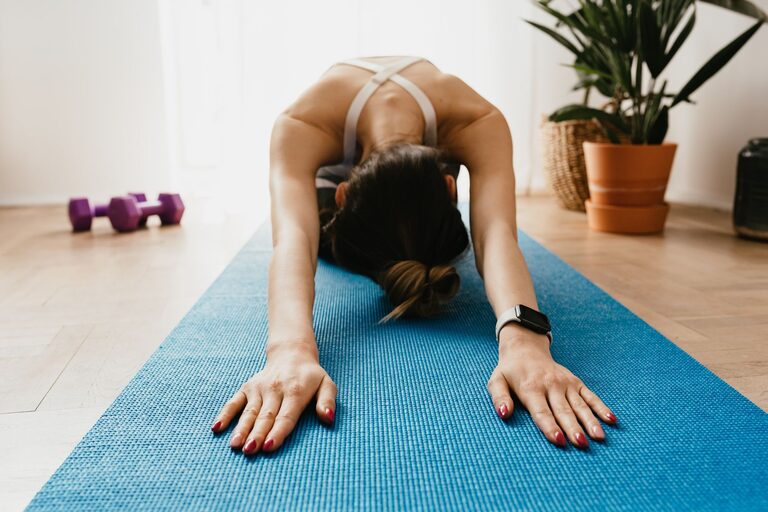
Stretching is a simple yet powerful way to enhance your flexibility, relieve muscle tension, and promote better posture. You don’t need a gym or special equipment to start stretching—your home can be the perfect place to build a daily routine. Whether you’re new to stretching or looking to refresh your habits, this beginner’s guide will help you get started safely and effectively.
Why Stretching Matters
Stretching offers many benefits beyond just feeling more limber. When done regularly, it can:
– Improve your range of motion
– Reduce muscle stiffness and soreness
– Boost circulation and energy levels
– Help prevent injuries during other activities
– Promote relaxation and reduce stress
Taking just 10-15 minutes a day to stretch can make a noticeable difference in how your body feels and moves.
Getting Started: What You Need
One of the best things about stretching at home is how accessible it is. You only need a few basics:
– Comfortable clothing that allows easy movement
– A yoga mat or soft surface to protect your joints
– A quiet space where you can focus
Optional items like resistance bands or foam rollers can add variety but aren’t necessary for beginners.
Warm-Up Before Stretching
Before you start stretching, it’s important to warm up your muscles to prevent injury. You can do this by:
– Walking in place for 2-3 minutes
– Gentle arm circles or shoulder rolls
– Light jogging or jumping jacks if space permits
Warming up increases blood flow to your muscles and prepares your body for stretching.
Basic Stretching Routine for Beginners
Here is a straightforward routine you can follow. Hold each stretch for about 20-30 seconds and repeat 2-3 times if you wish. Never stretch to the point of pain; gentle tension is enough.
Neck Stretch
– Sit or stand tall.
– Gently tilt your head toward your right shoulder until you feel a stretch on the left side of your neck.
– Hold, then switch sides.
Shoulder Stretch
– Bring your right arm across your chest.
– Use your left hand to gently press your arm closer to your chest.
– Hold, then repeat with the other arm.
Triceps Stretch
– Raise your right arm overhead and bend the elbow to reach down your back.
– Use your left hand to gently push your elbow downward.
– Hold and switch arms.
Chest Stretch
– Stand tall and clasp your hands behind your back.
– Straighten your arms and gently lift your chest as you pull your hands away from your body.
– You should feel a stretch across your chest and shoulders.
Cat-Cow Stretch (for spine flexibility)
– Get onto hands and knees in a tabletop position.
– Inhale as you arch your back and lift your head and tailbone (Cow Pose).
– Exhale as you round your spine, tucking your chin and pelvis (Cat Pose).
– Repeat slowly 5 times.
Hamstring Stretch
– Sit on the floor with your legs extended in front of you.
– Slowly reach forward toward your toes without rounding your back.
– Hold the stretch where you feel tension in the back of your thighs.
Quadriceps Stretch
– Stand and hold onto a sturdy surface for balance.
– Bend your right knee and bring your heel toward your buttocks.
– Grab your ankle with your right hand and gently pull.
– Hold, then switch legs.
Calf Stretch
– Stand facing a wall and place your hands on it.
– Step your right foot back with the heel flat on the floor.
– Lean into the wall until you feel a stretch in your right calf.
– Switch sides.
Tips for Successful Stretching at Home
– Consistency is key: Aim to stretch at least 3-4 times a week.
– Breathe deeply: Don’t hold your breath; steady, deep breaths help your muscles relax.
– Don’t rush: Stretch slowly and mindfully to avoid injuries.
– Listen to your body: Never force a stretch. Mild discomfort is okay, but pain is a signal to stop.
– Stay hydrated: Drinking water helps maintain muscle elasticity.
When to Stretch
Stretching can fit easily into your daily routine. Consider these times:
– First thing in the morning to wake up your muscles
– During work breaks, especially if you sit for long periods
– After exercise, to cool down and prevent stiffness
– In the evening to relax before bedtime
Avoid These Common Mistakes
– Bouncing during stretches: This can cause muscle strain.
– Stretching cold muscles: Always warm up first.
– Holding your breath: Keep breathing to avoid tension.
– Ignoring pain: Stretching should not hurt.
Final Thoughts
Stretching at home is a simple way to improve your flexibility and well-being with minimal effort. Starting slow and being mindful of your body’s signals will help you build a safe and effective routine. Over time, you’ll enjoy increased comfort, reduced tension, and a greater sense of relaxation.
Remember, anyone can stretch—no matter your age or fitness level. So roll out your mat and begin your journey to a more flexible, healthier you today!