
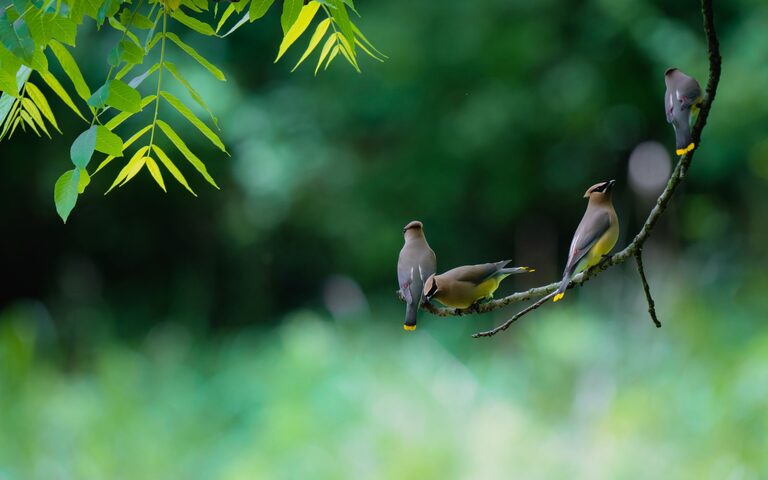
Birdwatching is a rewarding and relaxing hobby that anyone can enjoy, right from their own backyard. Whether you live in the city or the countryside, watching birds offers a chance to connect with nature, learn about local wildlife, and even improve mental well-being. If you’re new to birdwatching, this guide will provide helpful beginner tips to get you started.
Why Backyard Birdwatching?
Backyard birdwatching allows you to observe a variety of birds without needing to travel far. It’s accessible, low cost, and suitable for all ages. Plus, it encourages conservation awareness by helping you understand local ecosystems.
Getting Started: Essential Tips for Beginners
1. Choose the Right Spot
Find a comfortable location in your yard where you can observe birds without disturbing them. A spot near trees, shrubs, or a water source is ideal because birds are naturally attracted to these environments. A window with a clear view or a small deck can work well.
2. Use a Bird Feeder
Setting up a bird feeder is a simple way to attract birds to your yard. Start with a basic feeder that holds seeds such as sunflower seeds, which are popular with many species. Place the feeder in a safe spot, away from predators and protected from the wind.
3. Provide Fresh Water
Birds need water for drinking and bathing. A birdbath or shallow dish with fresh water can draw birds to your yard, especially during hot or dry weather. Be sure to clean and refill it regularly to prevent the spread of disease.
4. Start a Bird Journal
Recording your observations can enhance your birdwatching experience. Note the date, time, weather, and bird species you see. Over time, you’ll begin to notice patterns and seasonal changes in bird activity.
5. Learn to Identify Birds
Start with common backyard birds in your region. Use a beginner-friendly bird guidebook or apps that help identify birds by shape, color, and song. Learning basic characteristics will make birdwatching more enjoyable and rewarding.
Tools and Equipment for Backyard Birdwatching
Binoculars
While binoculars are not required, a good pair can help you see details and bird behaviors from a distance. Look for binoculars that are lightweight and have a magnification of 6x to 8x for backyard use.
Field Guide or Birding App
A pocket-sized bird guide or a smartphone app can help you identify birds by their appearance and calls. Many apps also include maps, photos, and tips for spotting birds in your area.
Comfortable Seating and Observation Spot
Set up a chair or bench where you can sit quietly and watch for birds. Consider placing it near your feeder or water source. Patience is key — sitting still helps birds feel safe and encourages them to visit.
Creating a Bird-Friendly Backyard
Plant Native Plants
Native plants provide natural food and shelter for birds. Consider planting trees, shrubs, and flowers that produce berries, seeds, or attract insects, which birds eat. This creates a welcoming habitat for birds year-round.
Avoid Pesticides
Pesticides can harm birds and reduce the number of insects they eat. Using natural gardening methods helps maintain a healthy environment for birds and other wildlife.
Provide Shelter
Birds need places to hide from predators and harsh weather. You can add birdhouses, brush piles, or leave leaf litter and fallen branches in parts of your yard to support bird shelter.
Common Backyard Birds to Look For
Depending on where you live, you might see a variety of birds, such as:
– American Robin
– Northern Cardinal
– Blue Jay
– House Finch
– Mourning Dove
– Chickadee
– Black-capped Chickadee
– Goldfinch
Each bird has unique behaviors and calls that you’ll learn to recognize over time.
Tips for Ethical Birdwatching
– Keep a respectful distance to avoid disturbing birds.
– Avoid handling or feeding birds by hand.
– Refrain from playing loud noises or sudden movements.
– Keep pets indoors or supervised to prevent chasing birds.
Enjoying the Benefits of Backyard Birdwatching
Birdwatching is more than just watching; it’s an opportunity to slow down and appreciate the natural world. It can reduce stress, improve mindfulness, and provide a sense of accomplishment as you identify new species. Sharing this hobby with friends or family can also create lasting memories.
Final Thoughts
Starting backyard birdwatching is easy and enjoyable. By setting up a welcoming environment, equipping yourself with a few tools, and learning to identify local birds, you’ll open the door to a new world of discovery right outside your door. Grab your binoculars and start watching—the birds are waiting!